
Author
Dewi
Share
Author
Dewi
Share
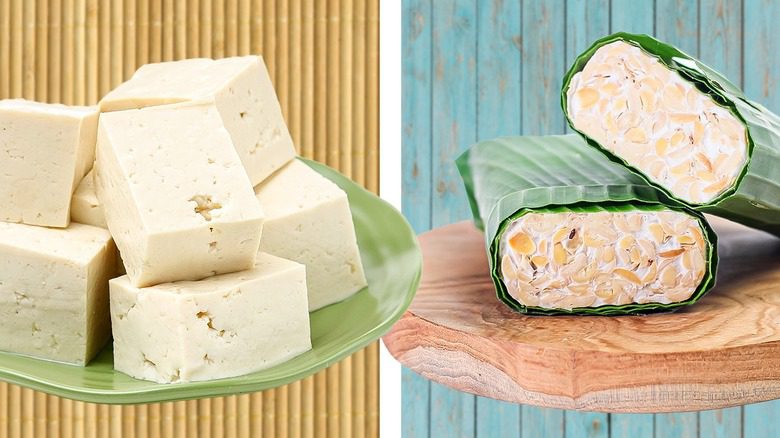
In the Indonesian kitchen, the humble soybean is not just an ingredient—it is the culinary backbone of the entire nation. While Western food trends have only recently embraced soy as a healthy alternative, Indonesia has spent centuries perfecting the art of turning this simple legume into vibrant, daily comfort food through traditional fermentation. From the street-food stalls of Lombok to family dinner tables, local soy staples like protein-packed tempeh (which was actually invented in Indonesia) and silky tahu (tofu) serve as a delicious, deeply satisfying canvas for the country’s famously bold, aromatic spice pastes.
Many travelers arrive at our Anggrek Putih Cooking Class in Lombok thinking they know soy. However, once they taste it fresh, marinated with our hand-picked garden herbs, and cooked the traditional way, they realize they’ve been eating it wrong their whole lives!
Let’s look at the difference between these two superfoods, why one of them is Indonesia’s ultimate gift to the world, and how we bring them to life on our tour.
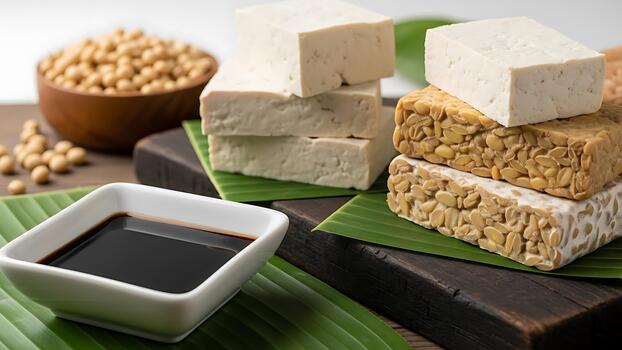
Tofu: The Smooth Canvas
What it is: Tofu is made by coagulating soy milk and pressing the curds into soft white blocks. It originated in China thousands of years ago before spreading across Asia.
The Flavor Profile: Tofu is a sponge. On its own, it tastes incredibly mild, but its magic lies in its texture and its ability to absorb flavors.
How We Use It: In our kitchen, we love using firm tofu in local curry dishes or frying it until the outside is perfectly crispy while the inside stays silky and soft.
Tempeh: Indonesia’s Native Superfood
What it is: Unlike tofu, tempeh was invented right here in Indonesia (specifically on the island of Java). It is made by taking whole, cooked soybeans, introducing a natural culture (Rhizopus), and letting it ferment for 24 to 48 hours. The beans knit together into a dense, firm cake.
Why It’s a Health Powerhouse: Because tempeh uses the whole bean, it has double the protein and fiber of tofu. Even better, the fermentation process creates gut-friendly prebiotics and breaks down the soy, making it incredibly easy to digest.
The Flavor Profile: Tempeh has a rich, nutty, and slightly mushroom-like flavor with a chewy, satisfying texture.
How We Elevate Soy at Anggrek Putih (From Garden to Wok)
You don’t need a soybean farm to create an authentic Indonesian feast. The true secret to incredible tofu and tempeh lies in the fresh spice paste (bumbu) used to marinate them.
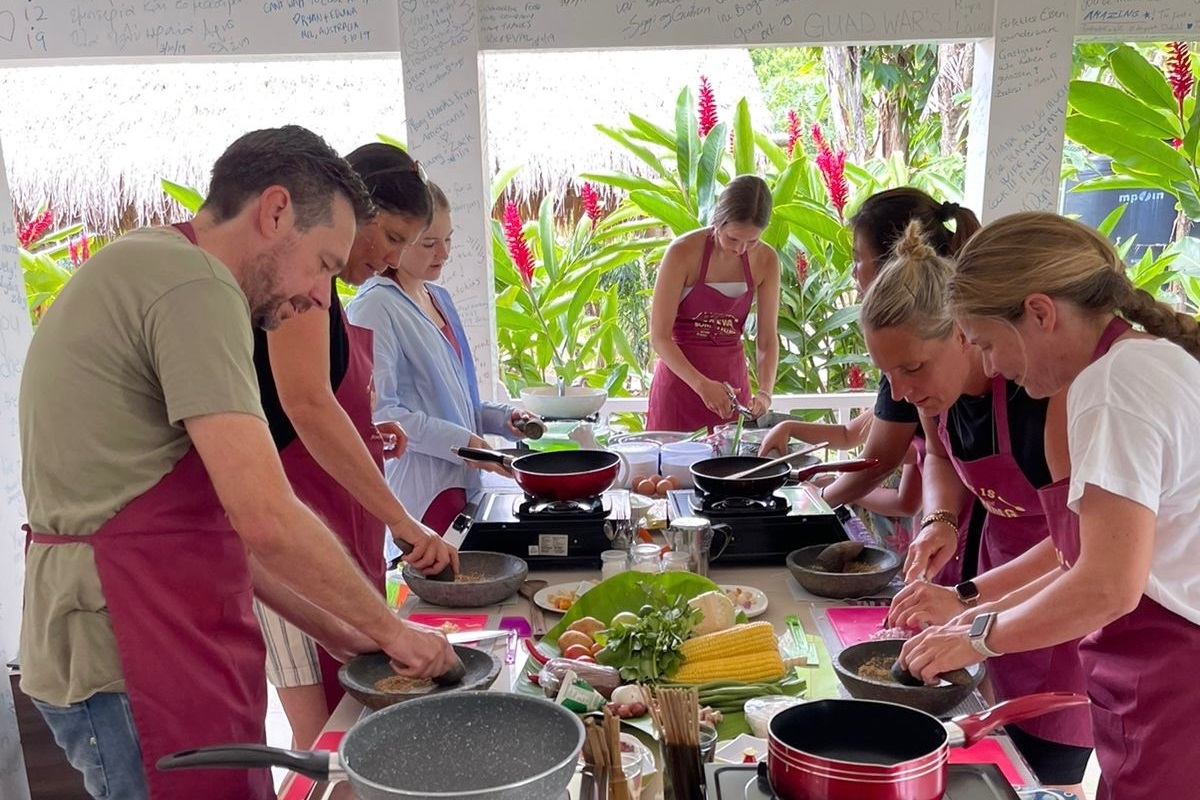
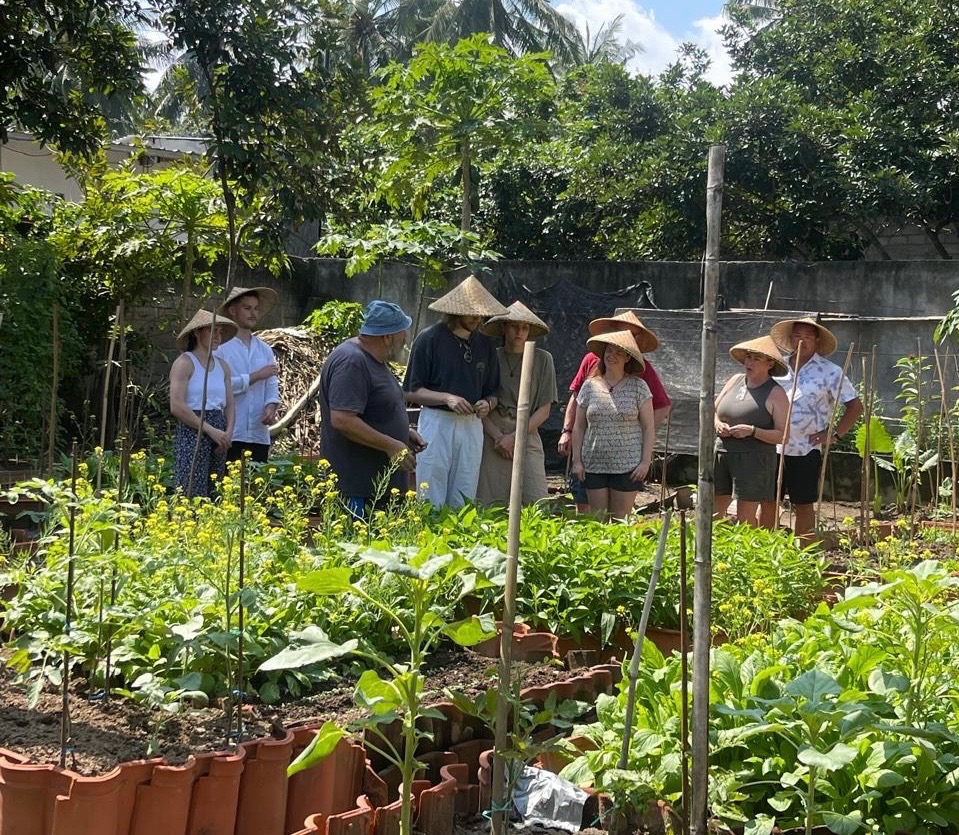
When you join us at Anggrek Putih Cooking Class and Garden Tour, we bridge the gap between our lush grounds and your plate:
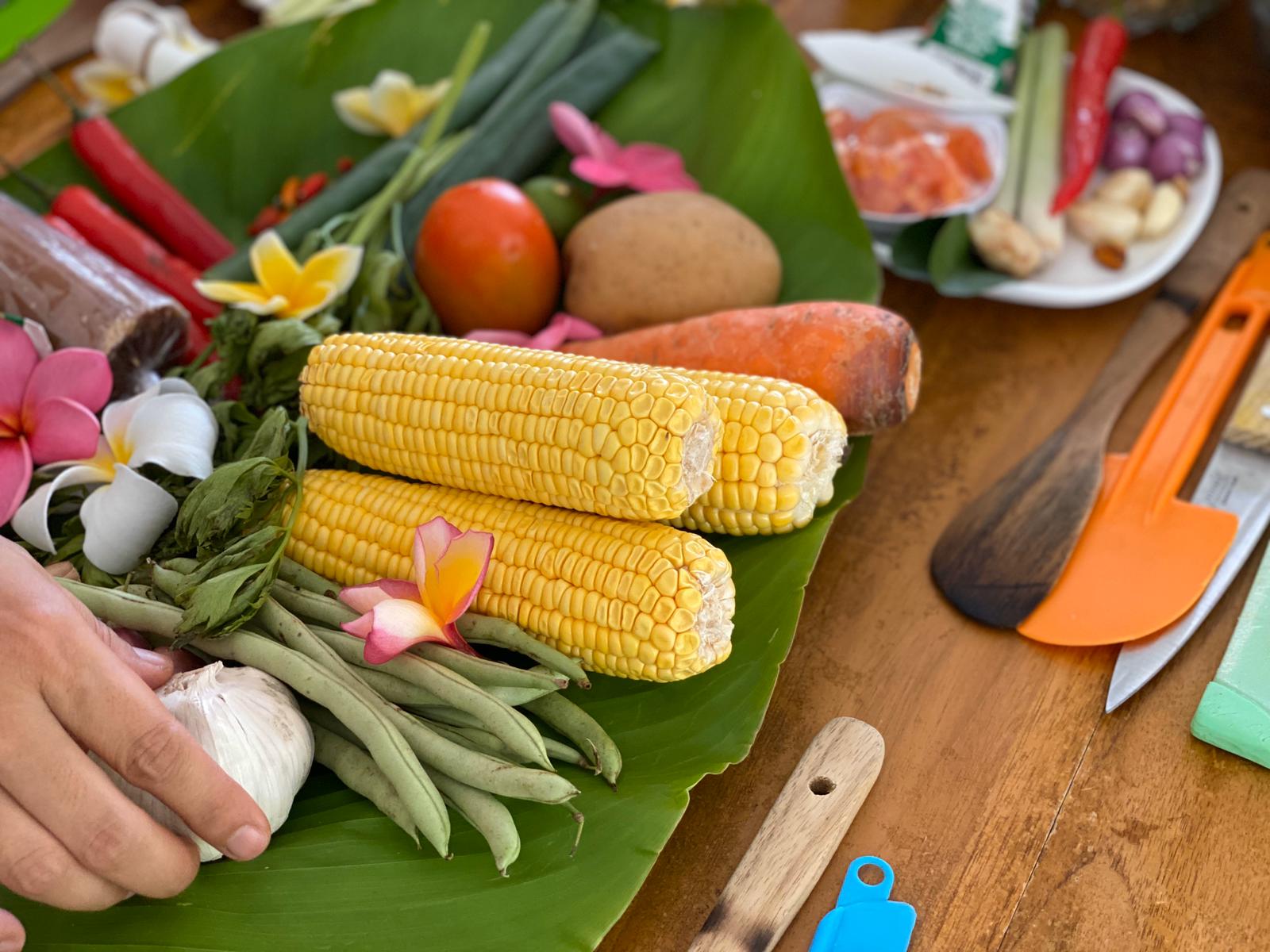
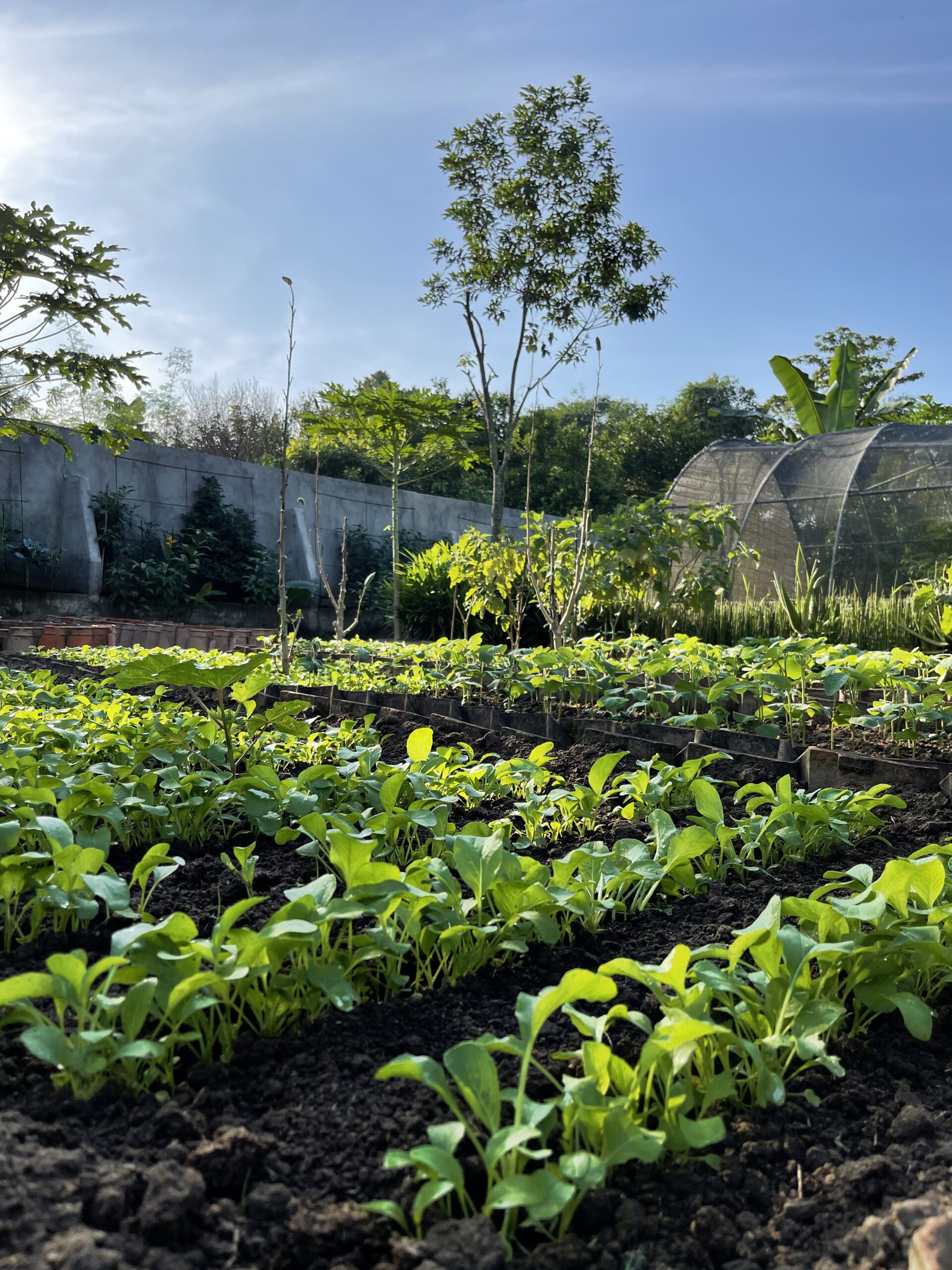
- The Garden Tour: We start by walking through our eco-friendly tropical garden. Together, we pluck fresh lemongrass, aromatic kaffir lime leaves, spicy chilies, galangal, and vibrant turmeric right from the earth.
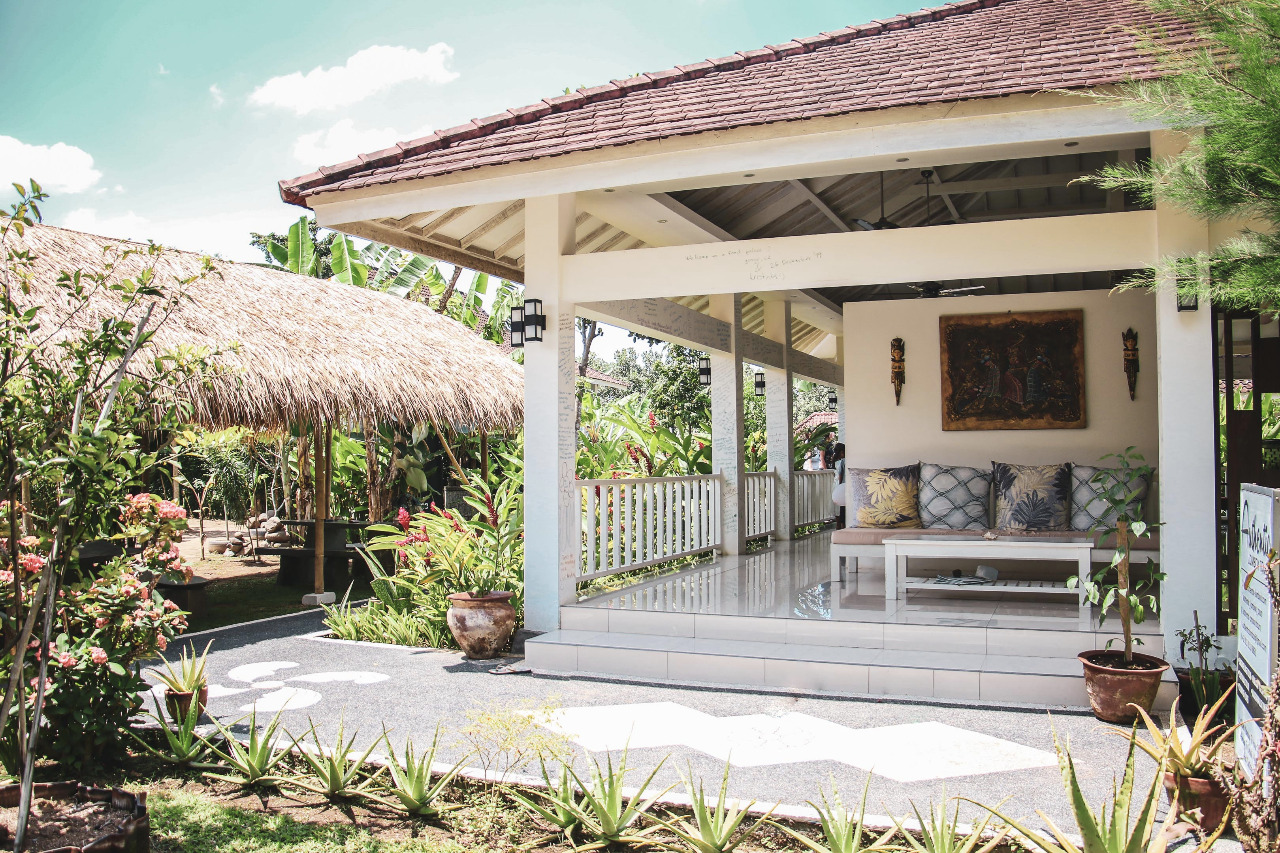
- The Traditional Grind: Back in our open-air kitchen, you will use a traditional stone mortar and pestle to grind these fresh ingredients into a fragrant, wet spice paste.
- The Transformation: We marinate our locally sourced tofu and tempeh in these fresh garden spices before frying or simmering them.
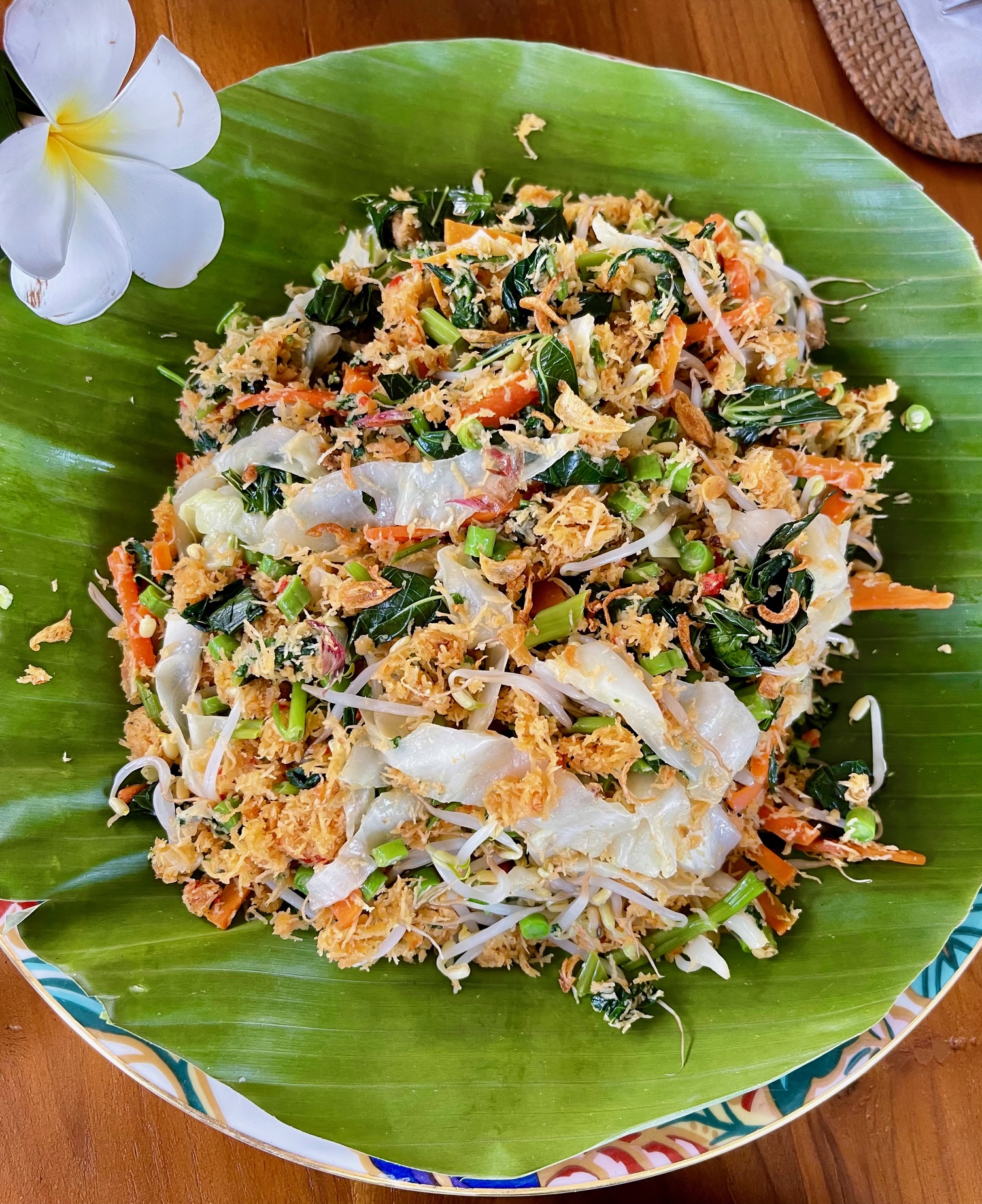
The result? A crunchy, aromatic, deeply flavorful dish that tastes nothing like the bland, rubbery soy blocks you find in Western supermarkets. Whether we are making traditional Gado-Gado peanut sauce or a rich Lombok Curry, you’ll learn the exact techniques to replicate these healthy dishes back home.
Ready to Cook with Us?
Whether you are a lifelong vegan, a health enthusiast, or a curious foodie looking for the best things to do in Lombok, our cooking class is a hands-on cultural experience you won’t forget.
- 🌿 Explore our beautiful garden and learn about local herbs.
- 🍳 Master the art of traditional Indonesian spice pastes.
- 😋 Enjoy a delicious, self-cooked lunch in a peaceful tropical setting.
DS
ANGGREK PUTIH MANAGEMENT
— MAY, 2026 —

 by
by 